This lesson actually has very little to do with Reddit and everything to do with what Google (and AI) are trying to serve the user.
Search “NAD+ benefits” right now.
What comes back: Reddit threads, YouTube videos, a handful of articles/studies written by people with real clinical credentials and real experience in the health and wellness space.
The SERP is telling you something if you’re willing to listen.
Most marketers’ instinct is to look at Reddit ranking above your content and blame domain authority, or chalk it up to Google’s partnership with Reddit (which, I’m sure, is a factor). But too few people are thinking hard about what Reddit’s prevalence on the SERP is telling us about what Google actually wants to reward.
At its core, Google (and AI) wants to surface whatever format best delivers “lived experience” or true expertise to the person searching. Right now, Reddit happens to be the best answer to serve.
The lesson here isn’t necessarily “get on Reddit.” It’s “understand what Reddit has that you don’t.”
What Google sees in a Reddit thread
Reddit threads rank because they’re full of real people describing real outcomes.
Someone tried NAD+ for four months and wrote about what changed. Someone else shared a less positive experience. A third person asked about dosing.
The result is a thread with specificity, pushback, and first-hand knowledge — exactly what the Goog has been chasing since its Helpful Content updates started rolling out.
Reddit was already dominating the SERPS before their $60M deal. It was winning these searches because it was producing something Google couldn’t find anywhere else.
Most brand content is promotional; it has an ulterior motive.
Blogs that answer informational queries address the same questions in a cleaner, more comfortable way. But real people don’t want polished, practiced answers to their questions; they want the TRUTH.
So, that brings us to the question: “What are people actually trying to get from this query, and who on our team can answer it from a place of genuine experience?”
Where AI fits in (and why this matters more than you might think)
I dug into the data re: Reddit as it pertains to AI search. Because there is a lot and a lot of it feels conflicting.
For one, AirOps‘ analysis of 5.5 million LLM responses found Reddit appearing in 21% of all AI answers, ranking it as the most cited source in both Perplexity and Google AI Mode. By that measure, Reddit is everywhere.
Zooming in on ChatGPT specifically, Ahrefs found that Reddit accounts for 67.8% of non-cited URLs, with a citation rate of just 1.93%. ChatGPT is absorbing everything Reddit produces and pointing people elsewhere.
Then, in September 2025, Semrush tracked 230,000+ prompts across ChatGPT, Google AI Mode, and Perplexity and found that Reddit’s share dropped from roughly 60% of ChatGPT responses in early August to around 10% by mid-September.
Conductor’s research covering October 2025 through January 2026 found Reddit’s overall citation share dropped another 50%. Sole-source citations rose 31% over the same period. AI appears to be getting more selective about how it surfaces Reddit.
As Reddit fell on ChatGPT, LinkedIn trended upward across all three platforms: Semrush noted it may have absorbed some of the citations Reddit lost.

All that to say: Reddit appears to be teaching AI what ‘good’ looks like, but not always getting the credit.
Since the models were trained on this data, when they go to cite something, they’re pattern-matching against that standard and rewarding content that meets it on surfaces they trust.
This could include a clinician’s bylined article or a LinkedIn post from someone who has actually done the thing.
And mark my words: as models continue to evolve, the brands that win will be producing that same signal quality when they create content on any channel.
What Reddit has that your brand content probably doesn’t
A subject matter expert brings what Reddit threads have and most brand articles don’t: a real person who has done the thing, has opinions about it, and can speak with the specificity that makes a reader (or an AI model) go “okay, this one actually knows.”
When that SME is backed by authority engineering around the web (reputation signals that reinforce the person’s expertise), that’s a winning combination.
When analyzing Reddit threads for your target queries, try to understand what people are really trying to get from those queries, and who in your organization can answer them from genuine experience.
Note the actual questions people are asking and how they’re being answered. This can serve as a helpful roadmap to ensure your site content is competitive with forums and UGC, and guide content angles to tackle on platforms like YouTube and LinkedIn.
The excuse I hear most for not doing this? “We don’t have an expert with those kinds of reputation signals.”
I’d push back on that.
Your founder has been building this thing from the ground up and probably knows more about your product category than almost anyone writing about it. Your product team has opinions backed by real testing. Your practitioners, your clinicians, your operators — these people are sitting on knowledge that is truly valuable and completely unpublished.
Find them. More than one if you can.
Make them loud across the surfaces Google and AI are already pulling from: LinkedIn, YouTube, and across your own site with bylined, expertise-driven content.
If you want a concrete place to start, pull up a SERP where Reddit is ranking above your content. Read the threads that are winning. Note: What specific questions are they actually answering? What personal detail, specificity, or genuine experience is present that your content doesn’t have?
Then, figure out who in your organization can provide that, and publish their answers to Reddit’s questions across owned surfaces.
Do this consistently for three months, and see where you land. I think you’ll be happy with the results.
Would you like someone to do all of this for you? Get in touch! We’ll handle the research, create the plan, and build the system inside your business.
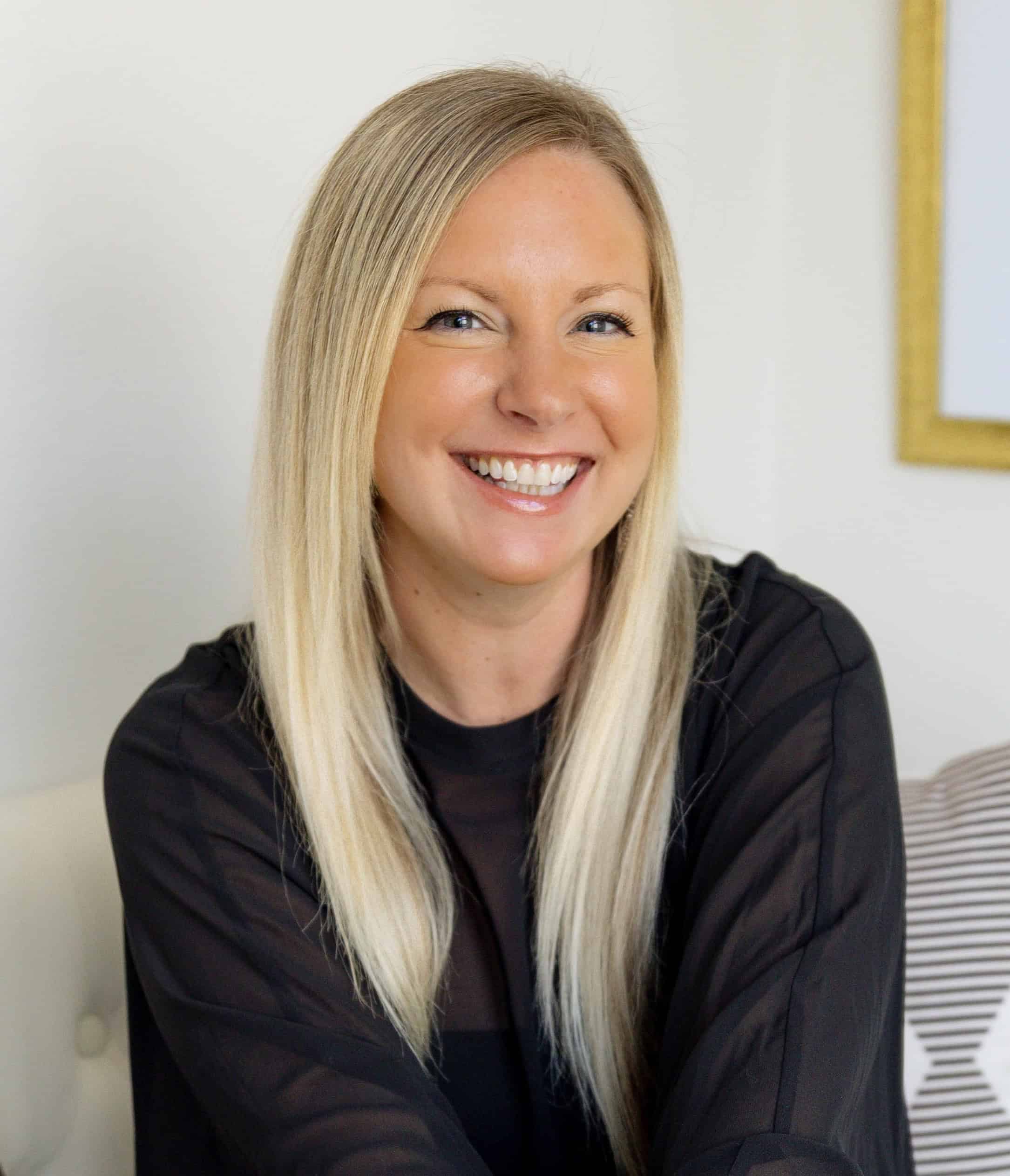
Karli Jaenike is the Fractional Organic Content, SEO and AI Search Strategist behind Wild Idea, where she helps growth-stage companies turn deep internal expertise into content that search engines rank and AI systems cite. She has 10+ years across editorial strategy, SEO, and content systems, including leading SEO content at Eventbrite and working with enterprise clients at Siege Media. Her framework, Authority Engineering, surfaces the knowledge already inside a company, structures it for both traditional search and AI discoverability, and uses AI-assisted workflows to produce and distribute it at scale. She writes After the Algorithm, a weekly newsletter on AI search and SEO. Based in Texas, she’s a nature lover, live music fan, and travel enthusiast.




Related Posts:

YMYL SEO in the Age of AI Search: Why Expert-Backed Content Wins Where Trust Is Non-Negotiable

Authority Engineering: How Brands Get Cited in AI Search

Rebuilding My Content Workflow in Claude Code, Part 2: What It Can Do and the One Input It Can't Fak...