Forbes defines proptech as businesses that use technology to improve how residential and commercial properties are purchased, rented, sold, designed, constructed, and managed.
The proptech market is expected to grow at a CAGR of 16.1% from 2026 to 2036. The future of RE belongs to proptech, no doubt, even though the market is still far from being saturated.
Many people in real estate still feel reluctant or overwhelmed to adopt the technology. Proptech companies will need to educate their target audience and demonstrate the ROI of their products to succeed in the market.
Content marketing strategies will need to focus on building trust and buy-in from brokerages, agents, or whoever their target market is. This article will explore the best ways proptech companies can leverage content marketing to gain a competitive advantage and grow their brand organically.
Download: https://getwildidea.com/content-strategy-template
The Proptech Content Marketing Strategy Framework (Plan → Publish → Prove ROI)
Most proptech content strategies fail because they treat content like a blog:
❌ Random posts
❌ Inconsistent publishing
❌ No clear path from awareness to demo
That doesn’t work when you’re selling to skeptical real estate professionals who’ve been burned by overpromised tech before.
What you need is a system—a repeatable framework that turns content into a predictable pipeline driver.
This section outlines the system step by step, with clear inputs, outputs, and KPIs for each stage.
1. Define Your Buyer + Adoption Barrier (The Real Nemesis)
Before you write a single word, you need to understand what’s actually stopping your ideal customer from buying.
In proptech, it’s rarely “they don’t know we exist.” It’s
- trust,
- switching costs,
- integration anxiety,
- and the fear of disrupting legacy workflows that already (sort of) work.
Your Job: Identify your primary persona and their top three objections. Not surface-level objections like “price.” The real ones:
“What if this breaks our existing CRM?”
“How long until my team is productive again?”
“Can I trust this vendor to still be around in two years?”
Output: A one-page buyer profile that includes persona details, current workflow, adoption barriers, and the business outcome they’re actually trying to achieve (not the feature they think they need).
2. Map Content to the Funnel (TOFU/MOFU/BOFU) with a Conversion Goal Per Layer
Real estate professionals don’t impulse-buy software. They research, compare, validate, and then, maybe, book a demo. Your content needs to meet them at every stage of that journey with the right format and right call to action (CTA).
Here’s how to structure it:
| Funnel Stage | Search Intent (What They’re Trying to Decide) | Best Content Formats for Proptech | Primary CTA | KPI to Track |
| TOFU | “Is this a problem?” | – Industry stats pages- ‘What is X’ explainers- Trend reports | – Newsletter signup- Guide download | – Organic sessions- Assisted conversions |
| MOFU | “How do others solve this?” | – Workflow breakdowns- ROI calculators- Use case studies | – Webinar registration- Template download | – Qualified leads- Time on page- Return visits |
| BOFU | “Which tool/vendor?” | – Comparison pages- Alternatives content- Implementation guides- Case studies | – Demo request- Free trial signup | – Demo booking rate- Trial-to-close %- CAC payback period |
Why This Matters: Most proptech companies over-index on TOFU content (generic “future of real estate” posts) and under-invest in BOFU content (the stuff that actually converts).
Flip that ratio. Start with bottom-funnel content that captures people already looking for solutions, then build up.
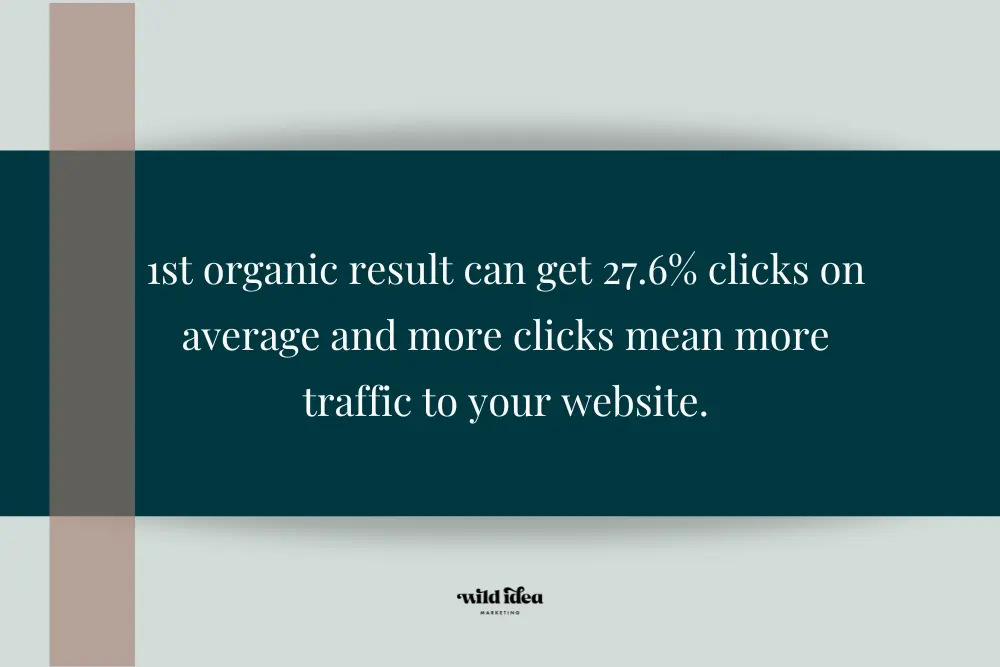
When prioritizing BOFU content, don’t ignore low- or zero-volume keywords. In proptech, highly specific queries like “X vs Y CRM for brokerages” or niche workflow searches may show little to no reported search volume, but they often signal strong purchase intent. Even a small number of these visitors can drive meaningful pipeline impact.
3. Build a Trust Library (It’s Not a Blog)
Real estate buyers need more than information. They need proof that you understand their world and won’t leave them stranded after the sale. A ‘trust library’ is a collection of high-signal assets that answer the unspoken questions every skeptical buyer has.
Core trust assets every proptech company needs:
- Implementation Guide: How long does onboarding take? What does success look like in 30/60/90 days?
- Security and Privacy Page: How do you handle sensitive property and client data?
- ROI Calculator or Cost-Benefit Analysis: What’s the actual financial impact of switching?
- Customer Case Studies: Real companies, real results, real names (not vague “leading brokerage” nonsense).
- Integration Documentation: What systems do you connect with? How hard is it to set up?
- Migration Playbook: How do we move data from our current system without losing anything?
Output: A trust library outline with 4–6 cornerstone assets that de-risk the buying decision. Your sales team can send these resources during the evaluation process.
4. Prove ROI with a Measurement Model
Content marketing is a revenue driver, and you need a measurement model that connects content performance to pipeline and closed deals, not just traffic and engagement.
The proptech content measurement model:
- Acquisition: Organic sessions, keyword rankings, branded vs. non-branded traffic
- Activation: Demo requests, trial signups, gated asset downloads, email list growth
- Revenue Influence: Deals where content was touched pre-sale, pipeline influenced by organic channels, and CAC payback period for content-sourced leads
Track these metrics monthly, and the data will tell you where to fix the system.
🎯 If organic traffic is growing but demo requests aren’t, your content is attracting the wrong audience or failing to convert.
🎯 If demos are up but close rates are flat, your content isn’t setting proper expectations.
Implementation Note: Add this framework to your internal documentation and reference it when planning quarterly content roadmaps. Don’t use it as a one-time exercise. It’s the operating system for your entire content strategy.
Also Read: Content Marketing Strategy For Femtech Brands: Here’s How to Market A Female Brand
Content Strategy Goals for Proptech
Defining your marketing goals is the first step in developing a successful content strategy. Make SMART goals, i.e., they should be specific, measurable, attainable, relevant, and time-bound. With clear goals, you can design a roadmap to achieve them.
Brand Awareness and Authority
Brand awareness goes beyond having a strong product. It’s about making sure the right people recognize your name when they begin evaluating solutions.
In a crowded proptech market, familiarity reduces friction. Real estate professionals are more likely to consider platforms they’ve seen referenced in articles, webinars, podcasts, or industry discussions. This recognition builds confidence before a sales conversation even begins.
Consistent, educational content is one of the most effective ways to build that visibility. Practical guides, industry insights, and customer stories keep your brand present in the conversations your audience is already having.
For example, Follow Up Boss has built strong brand recognition in the real estate CRM market through consistent educational content, podcast appearances, customer stories, and thought leadership that speaks directly to agents and brokerages. By consistently appearing in industry conversations, they remain top of mind when buyers begin evaluating CRM options.
Organic Traffic Acquisition
Organic traffic remains one of the most sustainable growth channels for proptech companies, but only when it’s aligned with buyer intent and business outcomes.
Search behavior today is more fragmented than ever. While Google still plays a major role, buyers also discover solutions through YouTube, LinkedIn, AI tools, industry communities, and comparison platforms. That means ranking alone isn’t the goal anymore. Earning visibility across high-intent queries is.
To compete effectively, your content must do more than include target keywords. Keyword research should still guide the direction, but the content needs to directly address the real questions, objections, and workflows your audience is researching.
Surface-level summaries and slightly improved versions of existing articles rarely win.
Instead, prioritize depth and specificity. Incorporate original insights, practical examples, and real-world use cases that reflect how real estate professionals actually evaluate technology.
Lead Generation and Customer Acquisition
Lead generation is a core goal for most proptech businesses, but the quantity of leads isn’t the real measure of success. What matters most is attracting qualified prospects who are aligned with your solution and ready to engage.
Content marketing is widely used for this purpose: according to a recent industry survey, about 74% of B2B marketers report it is effective for lead generation.
High-quality content plays two roles for proptech brands:
Attract: It can bring in audiences who are already researching relevant solutions.
Filter: It can help prospects self-qualify by addressing real pain points, workflows, and decision criteria.
To do both well, tailor your content to the specific buyer you’re targeting. For example, leadership at brokerages or tech leaders in enterprise real estate, instead of just general audiences. Content that speaks directly to their concerns signals fit and drives more meaningful engagement.
For product-focused proptech companies, this engagement should naturally lead toward higher-intent actions such as demo requests or trial sign-ups. Well-structured BOFU content, comparison pages, and use-case guides can reduce friction and prepare prospects for direct conversations with sales.
When paired with clear next steps, whether demo requests, trial sign-ups, or gated resources, this kind of content becomes a predictable generator of qualified pipeline.
Also Read: 5 Content Strategy Types To Meet Your Goals
Beyond Google: Why Proptech Needs a Search Everywhere Strategy
Traditional SEO isn’t enough anymore. Your potential customers aren’t just searching on Google. They’re discovering solutions on YouTube, evaluating options in Reddit threads, comparing features on LinkedIn, and even asking ChatGPT for recommendations.
If your proptech brand only appears in Google’s organic results, you’re invisible to most of the decision journey.
This shift demands what we call Search Everywhere Optimization: a strategic approach to building visibility across every platform where real estate professionals and property buyers actually search, compare, and decide. The goal is not to be everywhere. It’s about showing up where discovery happens and where trust gets built.
How Real Estate Buyers Actually Search in 2026
Consider how a commercial real estate broker evaluates new property management software. They might start with a Google or AI search for “best property management platforms.” They may end up on a comparison article, then jump to YouTube to watch product demos. Next, they check LinkedIn to see if anyone in their network uses the tool, scan Reddit threads for unfiltered opinions, and finally visit the vendor’s site to book a demo.
That’s five different platforms before a single sales conversation happens. Each touchpoint shapes perception. Miss one, and a competitor who showed up there wins the deal.
Recent analysis of AI-generated search summaries shows that LinkedIn, YouTube, and Wikipedia consistently appear among the top linked domains across large sets of queries, indicating that content from these platforms is highly visible in search and AI responses.
For proptech companies targeting brokerages, agents, or property managers, this means your content strategy must extend far beyond your blog.
Entity-Based SEO: The Foundation for Multi-Platform Visibility
Search engines match map concepts and relationships instead of just keywords. Google’s Knowledge Graph connects entities (distinct concepts, people, places, or products) to understand context and determine topical authority. When you build content around core entities and their relationships, you create a structure that performs across platforms.
For proptech, this means organizing content into topic clusters that mirror how your audience researches solutions.
Start with a core pillar topic, like “commercial lease management,” then create supporting content around related entities: lease tracking, tenant communication, maintenance workflows, and compliance automation. Each piece links back to the pillar and cross-links to related subtopics, reinforcing your authority on the entire subject as a whole.
This structure works because it follows natural research patterns. A property manager searching for lease management solutions will explore multiple subtopics before making a decision. When your content anticipates and answers those connected questions, you build trust and capture attention at every stage.
More importantly, this entity-based approach translates directly to how AI tools like ChatGPT surface information. They prioritize sources that demonstrate comprehensive, interconnected expertise.
If you want a deeper dive into how AI-driven search is reshaping visibility for publishers, we break it down in more detail in our guide to AI optimization.
Managed vs. Influenced Experiences: Where to Focus Your Efforts
Not all visibility is created equal. Some platforms you control completely (your website, social profiles, product pages), while others depend on what customers, creators, or communities say about you (Reddit threads, YouTube reviews, third-party comparisons).
Managed experiences are your owned assets. Optimize them ruthlessly: ensure your website loads fast, product pages include clear trust signals (ratings, case studies, security badges), and social bios immediately communicate value.
For example, your LinkedIn company page should use keywords like “commercial real estate CRM” or “property management automation” in the description in place of generic brand language. These profiles often rank in Google searches, so treat them like landing pages.
Influenced experiences require a different approach. You can’t control what people say on Reddit or which YouTube creators review your product, but you can shape those conversations.
Engage authentically in relevant communities, respond to reviews (positive and negative), and make it easy for satisfied customers to share their experiences. Partner with trusted voices in real estate (not celebrity influencers) like brokers, agents, and property managers that your target audience already follows.
The most effective proptech content strategies balance both. Your owned content establishes authority and drives conversions. Influenced content builds social proof and captures attention in spaces where buyers are actively comparing options. Together, they create a visibility ecosystem that meets prospects wherever they search.
Use Stellar, Helpful Content to Win the Game
Real estate is a hard-sell industry where potential customers are typically less focused on feelings and more on hard facts. Real estate stakeholders are not likely to be swayed by superfluous words, so your content should be straightforward, simple, and practical.
Written Content Pieces
Written content remains foundational, especially for search-driven discovery. Problem-solving blog posts, case studies, comparison pages, and industry reports align naturally with MOFU and BOFU stages, where buyers are evaluating solutions and vendors.
TOFU content can also help educate agents and brokers who may not yet recognize the inefficiencies in their current workflows. Clear, insight-driven writing can help surface the problem before introducing the solution.
Read More: 25+ Blog Post Templates for Quick Content Creation
Long-Form Videos, Shorts, and Reels
Video strengthens authority and accelerates trust. Long-form videos can walk prospects through workflows, product demonstrations, and implementation considerations. Short-form clips and social reels can highlight insights, answer common objections, and reinforce key value propositions across platforms.
Together, long and short formats allow you to extend a single insight across multiple channels while meeting buyers where they already consume information.
This is where founder-led SEO becomes powerful, structuring content around real expertise and repurposing it across formats.
High-Quality Imagery
Visual clarity matters in proptech. Screenshots, workflow diagrams, product walkthrough graphics, and comparison visuals help prospects quickly understand how your solution works and what outcomes they can expect.
Proptech is maturing, buyers are more skeptical, research journeys are longer, and trust has to be earned before a sales call ever happens.
We don’t see it as a hurdle, but an opportunity.
It forces better content, smarter structure and real alignment between what you publish and what your buyers are actually trying to solve.
If you’re ready to turn your content into something more intentional, whether that means tightening your funnel strategy, building out trust assets, or repurposing expertise across channels, I’d love to help.
Not Sure Where to Begin?

Karli Jaenike is the Fractional Organic Content, SEO and AI Search Strategist behind Wild Idea, where she helps growth-stage companies turn deep internal expertise into content that search engines rank and AI systems cite. She has 10+ years across editorial strategy, SEO, and content systems, including leading SEO content at Eventbrite and working with enterprise clients at Siege Media. Her framework, Authority Engineering, surfaces the knowledge already inside a company, structures it for both traditional search and AI discoverability, and uses AI-assisted workflows to produce and distribute it at scale. She writes After the Algorithm, a weekly newsletter on AI search and SEO. Based in Texas, she’s a nature lover, live music fan, and travel enthusiast.




Related Posts:

Fractional Content Marketing Manager for SEO and AI Search: What It Is, What It Costs, and How to Hi...

Is Owned Content Dead? Here's What the Research Actually Says

How to Write AI Prompts That Actually Produce Good Content (A 7-Element Framework)